The Birmingham Balti: what it is, why it matters, and where to eat one
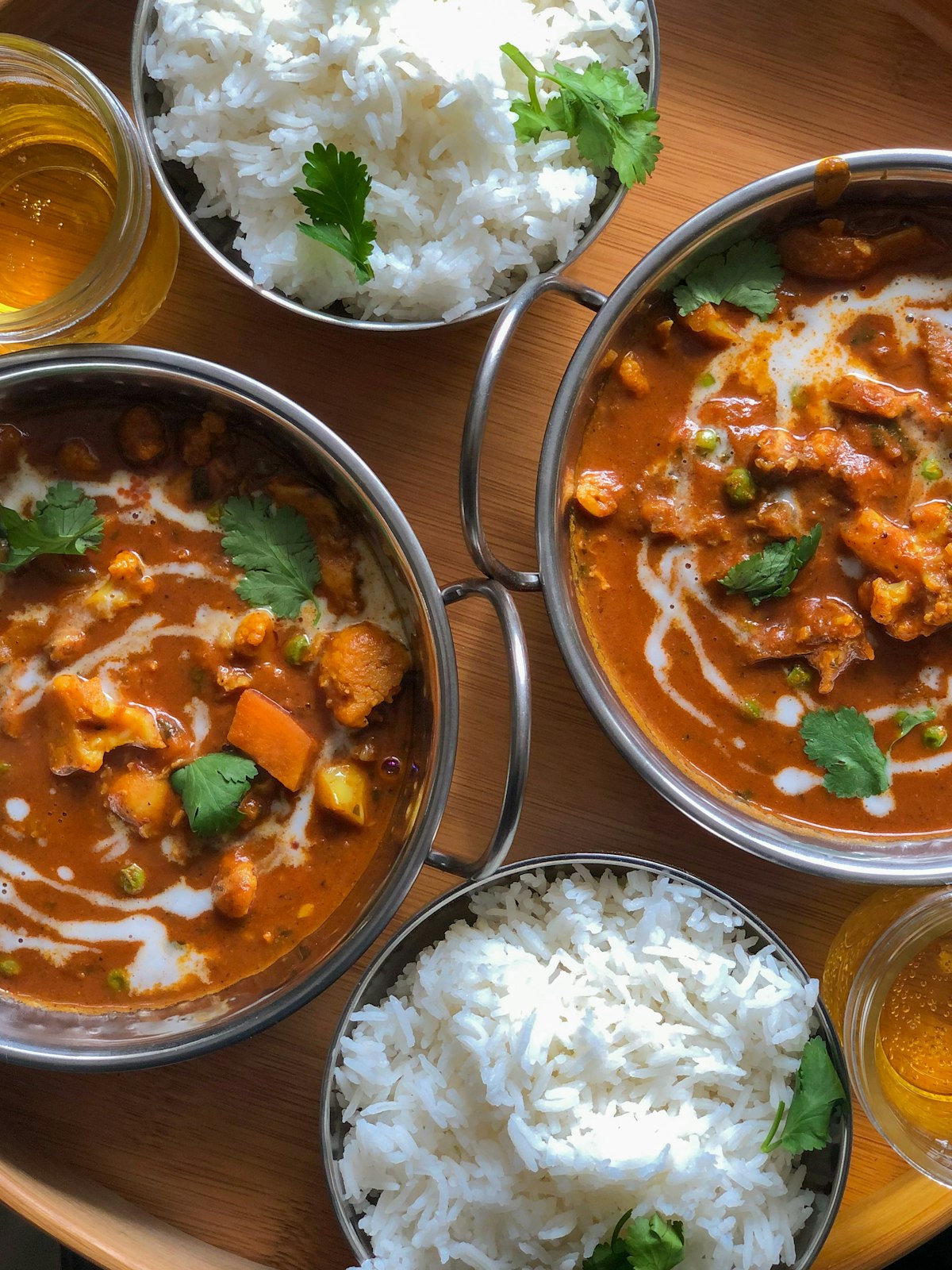
Every city has a dish it can call its own. New York has its pizza slice, Glasgow claims the tikka masala — and Birmingham, indisputably, has the Balti. It was invented here, in the strip of Sparkbrook and Balsall Heath now known worldwide as the Balti Triangle, and you can still eat one cooked the original way today.
So what actually is a Balti?
A true Balti is not just "a curry in a metal bowl". It's a specific cooking method, developed by Birmingham's Pakistani and Kashmiri restaurateurs in the mid-1970s: fresh meat cooked fast over a very high flame in a thin, pressed-steel dish — the balti — with vegetable oil rather than ghee, and served sizzling in the same dish it was cooked in. No rice. You eat it with naan, ideally a giant shared "table naan", scooping straight from the bowl.
The thin steel matters. It heats violently fast, which sears rather than stews, keeping the flavours bright where a slow-cooked curry turns rich and heavy. That speed was the whole point — hungry workers wanted proper food, fast and affordable.
The rise and near-fall of the Balti Triangle
Through the 80s and 90s the Balti Triangle — roughly the streets between Ladypool Road, Stoney Lane and Stratford Road — was one of the most famous food destinations in Britain, with dozens of Balti houses running at once and coach tours arriving from across the country.
Most of those original houses are gone now. Rising rents, changing tastes and the rise of dessert lounges and grill houses thinned them out, and today only a handful of the originals survive. That makes the ones still standing genuinely worth protecting — and visiting.
Where to eat a real one today
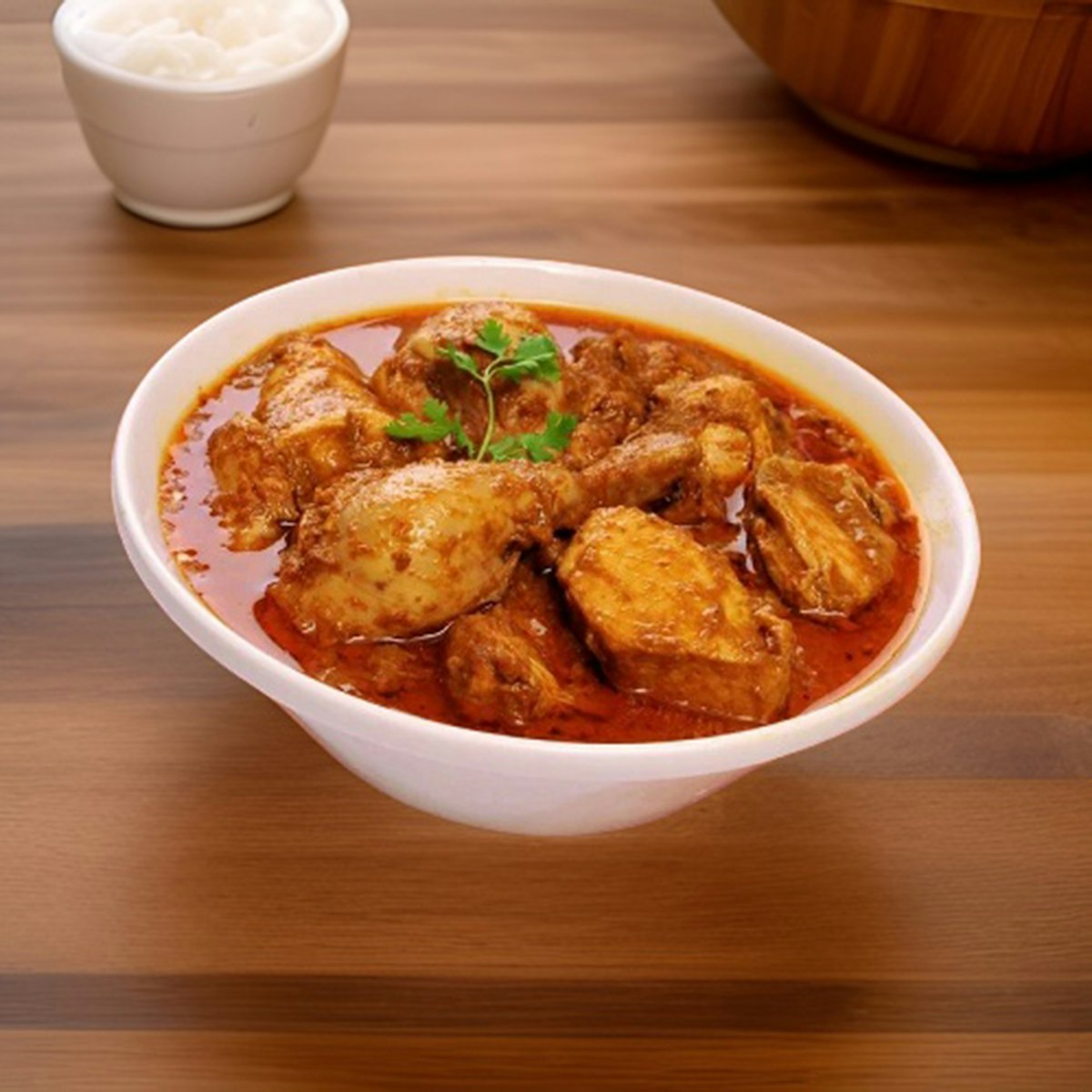
Shababs Balti Restaurant on Ladypool Road is the name most people reach for first — one of the last original Balti houses, still cooking over a high flame, still serving in the pressed-steel dish. Order a classic chicken or lamb Balti and a table naan and you're eating Birmingham history.
Beyond the Triangle, Kashmiri institutions like Royal Watan on Pershore Road (established 1984) still serve the traditional Birmingham Balti bowl alongside their karahis, and plenty of the city's Pakistani restaurants keep a Balti section on the menu.
Balti vs karahi — what's the difference?
They look similar and the words get used loosely, but a karahi is a heavier cast-iron or steel wok, and karahi dishes are typically cooked longer with tomatoes and green chilli, often finished with ginger. The Balti is lighter, faster and oilier in the best way. If a menu offers both, they should taste noticeably different — that's the sign of a kitchen that takes them seriously.
One dish worth defending
In 2026 it's easier than ever to eat well and halal in Birmingham — steakhouses, smash burgers, Japanese, Somali coffee. But the Balti is the dish this city gave the world, and eating one at a surviving original house is the most Birmingham food experience there is. Go while you still can.